
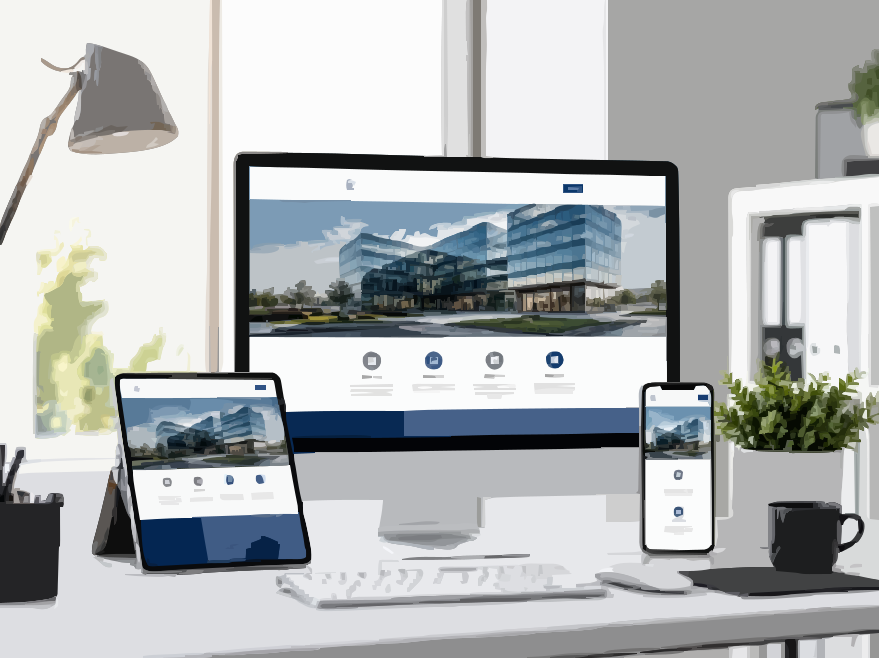
In today's digital-first world, customers often search online before choosing a product, service, or business. Whether someone is looking for a local service provider, comparing companies, or researching a new brand, a professional website can influence their decision. For small businesses, startups, and established companies, having a website is no longer just an additional marketing option. It is an important part of building a credible and accessible business.
Social media platforms and online business listings are useful for reaching customers, but they do not offer the same level of control as a dedicated website. A business website provides one central place where customers can understand your services, explore your work, learn about your company, and contact your team.
1. Build Trust and Business Credibility
First impressions matter when customers discover a business online. A well-designed website with clear information, professional images, service details, contact information, and customer testimonials helps create a positive impression.
For example, when a customer searches for a website development company, they may compare several providers before making contact. A professional website that explains the company's experience, services, projects, and approach can help customers make a more confident decision.
2. Improve Your Online Visibility Through SEO
A website creates an opportunity for your business to appear in search engine results when potential customers look for relevant products or services. Search Engine Optimization (SEO) helps improve how search engines understand and discover your website.
By publishing useful content, creating service pages, targeting relevant search terms, and improving website performance, businesses can attract visitors who are already interested in what they offer.
For local businesses, location-specific content can also help attract nearby customers. For example, a company offering website development in Mumbai can create relevant service pages that explain its services and experience in the local market.
3. Generate Leads and Business Enquiries
A business website should do more than display information. It should make it easy for visitors to take the next step. Contact forms, enquiry buttons, WhatsApp integration, service request forms, and clear calls to action can turn website visitors into potential customers.
For instance, a visitor exploring your services should be able to request a quotation or schedule a consultation without searching through multiple pages to find your contact details. A simple and convenient enquiry process can improve the overall customer experience.
4. Make Your Business Accessible 24/7
Unlike a physical office or traditional business hours, a website remains accessible around the clock. Customers can explore your services, read product information, check frequently asked questions, and submit enquiries whenever it is convenient for them.
This is particularly useful for businesses serving customers across different cities or time zones. Even when your team is unavailable, your website can continue providing essential business information and collecting enquiries.
5. Create a Better Customer Experience
A well-structured website helps visitors find information without unnecessary effort. Clear navigation, readable content, responsive layouts, fast-loading pages, and accessible contact options all contribute to a better experience.
Mobile responsiveness is especially important because many customers browse websites using smartphones. A website should adjust to different screen sizes and allow visitors to navigate, read, and interact comfortably on mobile devices.
6. Stay Competitive in Your Industry
Customers frequently compare multiple businesses before choosing one. If your competitors have informative websites and your business has limited online information, potential customers may find it easier to understand and trust competing brands.
A professional website allows you to present your strengths, highlight your services, showcase completed projects, and communicate what makes your business different. It also gives you a platform to publish useful resources that help customers understand your industry.
7. What Should a Professional Business Website Include?
A useful business website does not need dozens of pages. It needs the right information presented clearly. The structure will depend on your business type, but most professional websites should include the following essential elements:
Home Page: Introduces your business, explains what you offer, and guides visitors towards important services or actions.
About Us: Explains your company background, experience, values, and approach to serving customers.
Services or Products: Provides clear descriptions of your offerings, benefits, and relevant information.
Contact Page: Includes your business contact details, enquiry form, location information, and convenient communication options.
Blog or Resources: Publishes informative articles that answer customer questions and support your SEO strategy.
Privacy Policy and Legal Information: Explains relevant privacy practices and provides important business information.
8. How to Get Started With Website Development
Building a professional website becomes easier when you start with a clear plan. Before development begins, identify your business goals, target audience, required features, and the type of information customers need.
Next, choose a suitable domain name, plan your website structure, prepare your content, and select a development approach that matches your requirements. Design, mobile responsiveness, website speed, security, and SEO should all be considered during development rather than treated as afterthoughts.
Once your website is launched, regularly update its content, monitor performance, review customer enquiries, and fix technical issues. A website should grow alongside your business and changing customer expectations.
Final Thoughts
A professional website is an important foundation for building a strong digital presence in 2026. It helps businesses communicate their value, reach potential customers, establish credibility, and create better opportunities for growth.
Whether you are launching a startup or modernizing an established company, investing in a well-planned website can support your long-term business goals. The key is to build a website that is useful for your customers, easy to manage, and ready to grow with your business.
At Giga Nexus Technology, businesses can explore website development solutions designed around their requirements, customer experience, and digital growth objectives. Start by identifying what your business needs from its website and build a digital foundation that supports those goals.